

Restoration of Floodplain Grasslands in Grīvu Island
You are in the territory of the farm SIA “Tīravoti”, located on Grīvu Island within the nature reserve “Lubāns wetland complex” The farm is restoring floodplain meadow habitats to allow the return of meadow plants, pollinators, and nesting birds. Floodplain grasslands are not only a beautiful landscape but also a habitat rich in species.
Nature Reserve “Lubāns wetland complex”
The “Lubāns wetland complex” nature reserve is the largest inland wetland in Latvia. It was established to protect Latvia’s largest lake, as well as the surrounding bogs, forest areas, and wetlands, bringing together 12 nature reserves with a total area of 51,344 hectares.
A wetland is an area that is waterlogged or covered by a shallow layer of water. Wetlands include floodplain grasslands, fens, bogs, coastal grasslands, naturally flooded or waterlogged forests, and other habitats where land and water meet — including human-created wetlands.
Over the last 100 years, the water level of Lake Lubāns and its connected waterways have been artificially regulated to prevent flooding. These changes to the water regime have had a negative impact on floodplain grassland habitats of European importance, which can only exist if they flood regularly.
Grīvu Island
Grīvu Island is a regularly flooded floodplain area between the Aiviekste, Bolupe, and Lagaža rivers. In the second half of the 20th century, drainage systems were installed on the island. As a result, the natural flood regime changed, and so did the living conditions for species historically dependent on periodic flooding. The drainage ditches overgrew with trees, making this formerly open floodplain landscape more enclosed, and floodwater drained away more quickly. The floodplain became unsuitable for bird species associated with wide, open, and wet meadow habitats.
Over the past two years, the Latvian Fund for Nature has carried out significant work on Grīvu Island to restore the natural water regime of the territory. By filling in more than 16 km of drainage ditches, a floodplain grassland has been revived across 160 hectares, bringing back its characteristic plant and bird communities.

Water Regime in the Floodplain
Water Retention
A river floodplain is a low valley near a river that regularly floods during high-water periods. When the water level rises quickly – during spring ice melt or heavy rainfall – the floodplain acts as a natural water reservoir. Water flows in, accumulates, and as the river level drops, gradually drains away or infiltrates into the soil.
This means that at the peak of flooding, water is retained in the “pockets” of the floodplain rather than being rapidly carried downstream, thus reducing the flood risk in lower river sections and populated areas.
In places where floodplains have been drained or destroyed, flood and rainwater are no longer retained – they rush downstream, increasing the risk of flooding and damage to infrastructure.
Purification and Renewal
In spring, when the river overflows into the floodplain, a seasonal purification and renewal process begins. Floodwaters deposit nutrients, enriching the soil and improving its fertility, and wash away part of the dead vegetation.
In the shallow, warm water, fish spawn and their larvae develop, later returning to the river as the water recedes. Frogs spawn in pools left behind, and after the water withdraws, many bird species nest in the floodplain grasslands.
Project LIFE MarshMeadows (2023–2027)
The project aims to restore two major wetland complexes and ecosystem functions in three Natura 2000 sites in Latvia and Lithuania, including three farms in the Lubāna wetland complex.
Natura 2000 is the European Union’s network of specially protected areas created to protect various species and habitats.
The project restores EU-priority habitats, hydrological regimes, and introduces long-term grazing management systems.
SIA “Tīravoti”
SIA “Tīravoti” manages 500 ha of floodplain meadows on Grīvu Island. In the LIFE MarshMeadows project area, the natural moisture regime is being restored by eliminating drainage ditches across 160 ha (built in the previous century), as well as clearing shrubs from 5.5 ha.
Controlled grazing has been introduced on 175 ha, with the herd expanded using Charolais cattle, and investments made in agricultural machinery.
In floodplain meadows, where water levels often fluctuate and machine management is not always possible, grazing plays a crucial role in maintaining meadows and wetlands. Cattle help prevent shrub encroachment and maintain suitable conditions for species characteristic of floodplain meadows.
Biodiversity on Grīvu Island
Grīvu Island is a 500 ha floodplain meadow complex where species diversity is maintained by moisture and soil conditions, as well as proper meadow management. Organic matter deposited during floods enriches the soil and supports various plant species. The project area includes the EU-priority habitat 6450 “Floodplain Meadows”* and two of its variations.
Plants in floodplain grass
Nutrient-rich soils support a great diversity of flowering plants. Common species in managed floodplain meadows include:
Lathyrus palustris, Galium boreale, Ranunculus auricomus, Poa palustris, Angelica sylvestris, Myosotis palustris, Carex acuta, Carex nigra, Comarum palustre, Alopecurus pratensis, Veronica longifolia, Filipendula ulmaria, Valeriana officinalis, Lythrum salicaria, Deschampsia caespitosa.


Protected plant species in the area include:
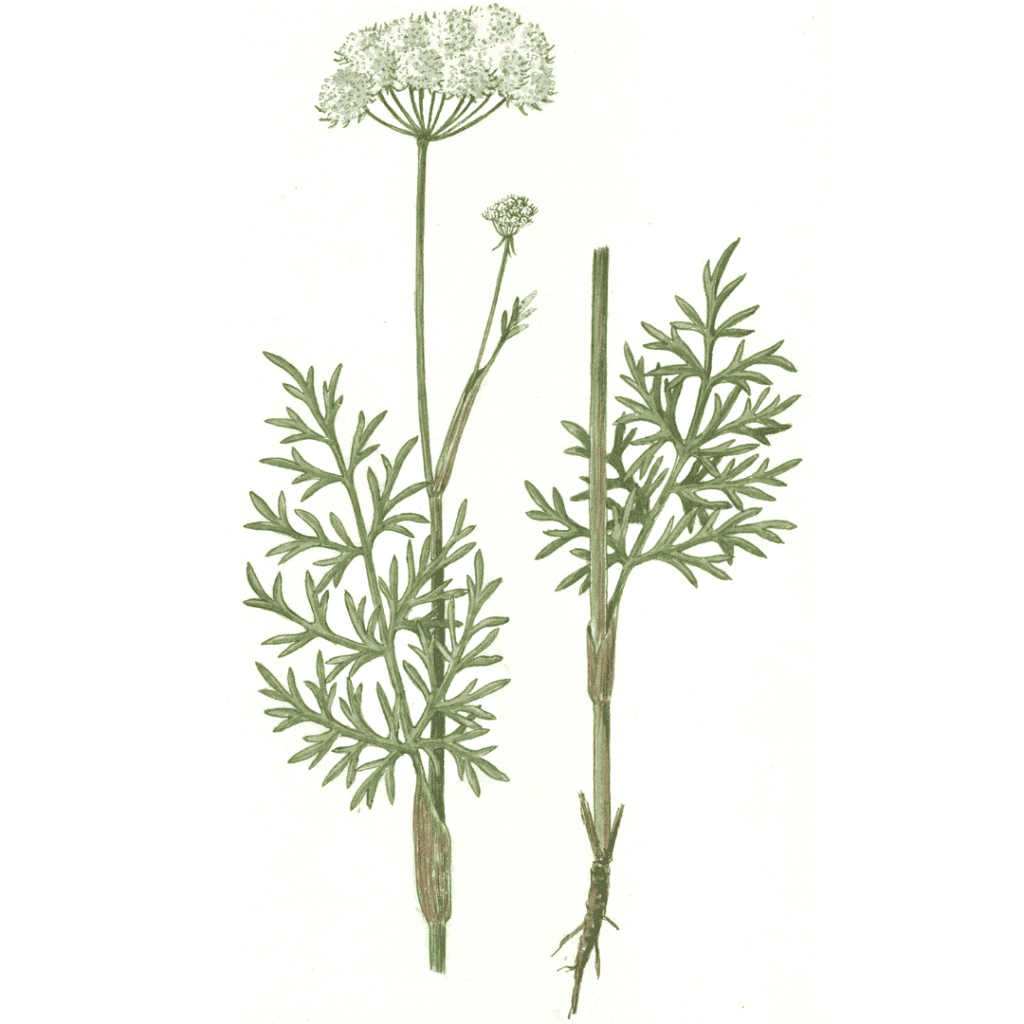
- Platanthera chlorantha (Greater butterfly-orchid), Cnidium dubium.

During the day, flowering plants attract numerous insects such as:
Euphydryas aurinia, Lycaena dispar, Thymelicus sylvestris, ground beetles Carabus cancellatus, rose chafers, and many other invertebrates. The rare Osmoderma barnabita occurs in some places.

In summer evenings, pollinators attracted by the sweet scent of night orchids fall prey to bats such as Pipistrellus pipistrellus and four other bat species.
If floodplains are not managed, they quickly become overgrown with expansive species such as:
Urtica dioica, Anthriscus sylvestris, Calamagrostis canescens, Phalaroides arundinacea, Aegopodium podagraria, Filipendula ulmaria.
Birds in Floodplain Meadows
Wet floodplains are especially suitable for wading birds that feed mainly on invertebrates found in soil and shallow water. On Grīvu Island, Vanellus vanellus and Gallinago gallinago are frequently observed.
The area is also home to the rare Gallinago media, whose males perform collective display songs (“leks”) on the ground, sometimes gathering dozens of individuals. The Tringa totanus is easily recognized by its orange legs and bill base. The Lubāna wetland complex is one of the few places in Latvia where the protected Limosa limosa can still be found.
Another species often heard but rarely seen is the Crex crex, calling with its distinctive “crek-crek-crek” song at night and in twilight from mid-May to July. The Porzana porzana, found in wet meadows, can be identified by its short, ringing whistles “uit-uit-uit,” usually heard at dusk and night, though sometimes also by day.
Songbirds are also common, including the brightly coloured Carpodacus erythrinus, with its characteristic whistling call “i-vittu-vītū”; the reed bunting Emberiza schoeniclus in shrubs and reed belts near water; and in open areas the yellowhammer Emberiza citrinella. The wide meadows around Lubāns still host the yellow wagtail Motacilla flava, now declining in much of Latvia.


Several birds of prey also use the floodplain to hunt, including:
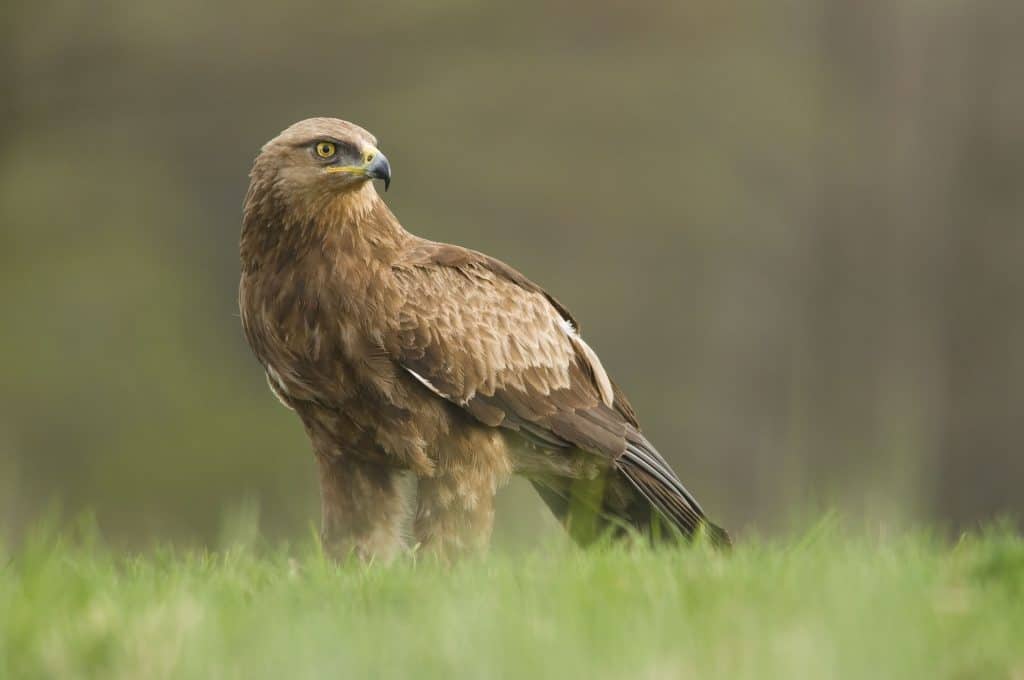
Haliaeetus albicilla, Circus aeruginosus, Buteo buteo, and the lesser spotted eagle Clanga pomarina.
The surroundings of Grīvu Island were once the last known nesting site in Latvia for the greater spotted eagle Clanga clanga.
Floodplain Grasslands Cannot Exist Without Management
If they are not maintained, floodplains quickly become overgrown with shrubs and species diversity declines.
The good news – an overgrown grassland can be restored.
Grazing helps naturally maintain grassland structure.
Each such step helps grassland plants, pollinators, and nesting birds return.
Natural grasslands are not only beautiful landscapes but also species-rich habitats.
This information is provided within the framework of the project “LIFE MarshMeadows: Piloting integrated wetland restoration approaches in Latvia and Lithuania”, which is co-financed by the European Union and the Ministry of Smart Administration and Regional Development in Latvia.
Views and opinions expressed are, however, those of the author(s) only and do not necessarily reflect those of the European Union or CINEA. Neither the European Union nor the granting authority can be held responsible for them.